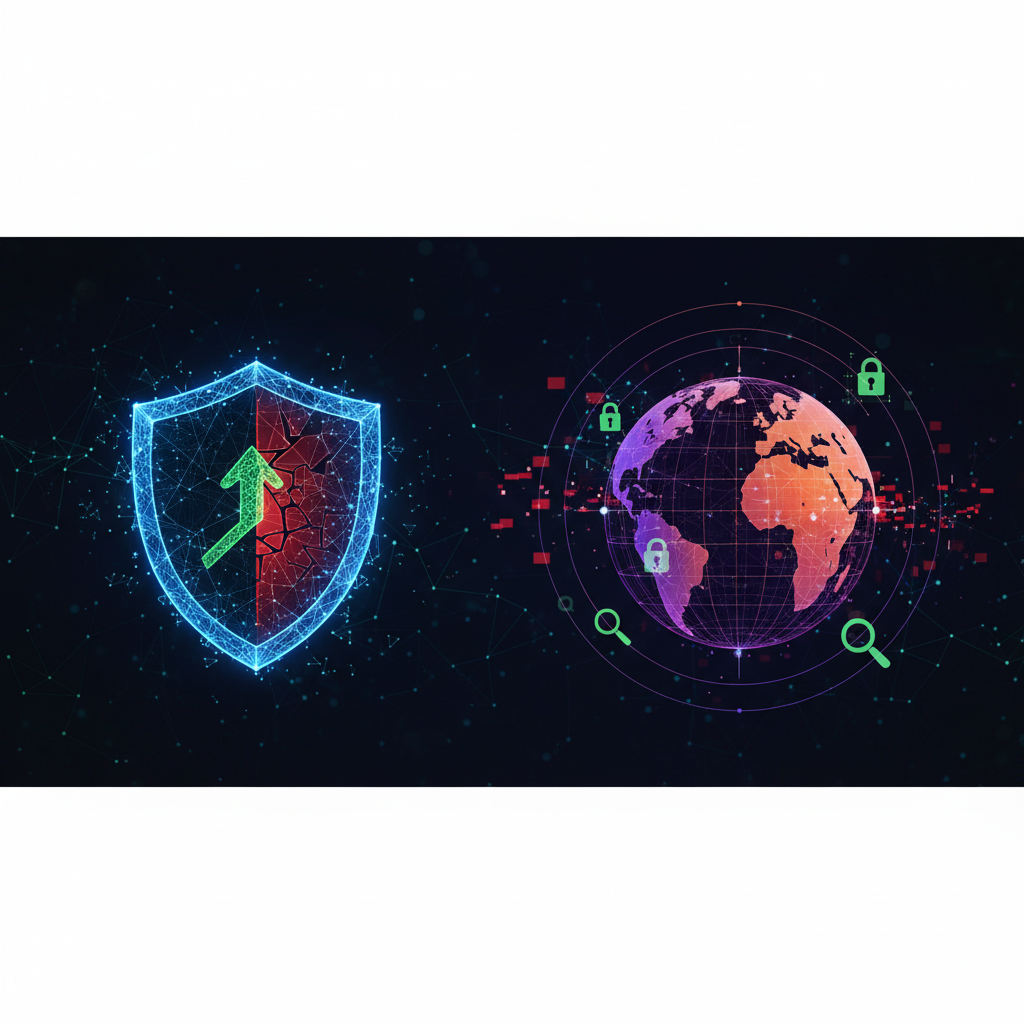
In the current digital landscape, the concept of security has undergone a radical transformation. For a long time, the industry operated under a reactive paradigm: developers built a site, launched it, and waited for something to break or for a patch to be released by a third-party provider. At OUNTI, having spent over a decade at the intersection of high-end web development and cybersecurity, we have seen how this "wait and see" approach has become the single greatest liability for modern enterprises. The transition to proactive security and vulnerability auditing is no longer a luxury for large-scale corporations; it is a fundamental requirement for any digital entity that values its data, its reputation, and its continuity.
Proactive security is not a single tool or a one-off checklist. It is a philosophy that integrates defensive measures into every stage of the development lifecycle. It begins long before the first line of code is written and continues long after the site has gone live. This approach acknowledges a harsh reality: software is inherently complex, and complexity is the breeding ground for vulnerabilities. By shifting the focus from defense to anticipation, we can identify potential vectors of attack before they are exploited by malicious actors.
The Architecture of an Advanced Vulnerability Audit
When we discuss a comprehensive vulnerability audit, we are looking at a multi-layered investigation that goes far beyond simple automated scanning. While tools like Nessus or OpenVAS provide a baseline, a professional audit requires manual penetration testing and architectural reviews. We look for logical flaws—the kind that automated bots often miss. This includes testing for broken access controls, insecure direct object references, and the subtle nuances of business logic vulnerabilities that could allow an unauthorized user to escalate their privileges or access sensitive data.
A significant portion of our work involves analyzing the tech stack's dependencies. Modern web development relies heavily on third-party libraries and frameworks. While these accelerate development, they also introduce "supply chain risks." A vulnerability in a minor JavaScript library can become a backdoor into a sophisticated enterprise system. Part of our commitment to providing top-tier web design services in Elche involves ensuring that every dependency is audited, version-controlled, and monitored for CVE (Common Vulnerabilities and Exposures) reports in real-time.
We utilize frameworks such as the OWASP Top Ten as a guiding light, but we go deeper. We simulate real-world attack scenarios, including SQL injection, Cross-Site Scripting (XSS), and Cross-Site Request Forgery (CSRF). By thinking like an attacker, our team can identify the "weakest link" in the chain, whether it is a misconfigured server header, an exposed API endpoint, or an unencrypted database backup. This level of scrutiny ensures that the final product is not just functional and beautiful, but inherently resilient.
Security as a Foundation for User Experience and Trust
There is a common misconception that security and user experience (UX) are at odds. The logic suggests that more security means more friction for the user. However, from a senior developer's perspective, security is the highest form of UX. There is no worse user experience than a data breach that exposes a client’s personal information or a site that goes offline due to a DDoS attack. When we develop specialized platforms, such as our high-performance web design for coworking services, the integrity of the booking system and the privacy of member data are paramount. A proactive stance allows us to implement "security by design," where features like multi-factor authentication and data masking are integrated seamlessly into the interface, rather than being clunky afterthoughts.
This integration of safety and design extends to every niche we touch. For instance, when creating digital environments for the tourism sector, specifically web design for rural houses, we prioritize secure payment gateways and the protection of guest communication. These businesses often lack an in-house IT security team, making them prime targets for automated bot attacks. By implementing proactive security and vulnerability auditing at the launch phase, we provide these clients with an "invisible shield" that protects their business and their guests’ trust without requiring constant manual intervention from the business owner.
DevSecOps: Integrating Security into the Deployment Pipeline
The evolution of our industry has led us to DevSecOps—the practice of integrating security at every stage of the software development lifecycle (SDLC). In the traditional model, security was the final gatekeeper, often causing delays right before launch. In a proactive model, security is "shifted left." This means automated security testing is integrated directly into our Continuous Integration and Continuous Deployment (CI/CD) pipelines. Every time code is pushed to a repository, it is automatically checked for known vulnerabilities, hardcoded secrets, and compliance with coding standards.
This methodology is particularly effective for our international projects. For example, when delivering creative digital solutions in Imperia, we must account for European data protection regulations (GDPR). Proactive auditing ensures that data handling practices are compliant by default. We analyze how data flows through the application, where it is stored, and who has access to it. We implement the principle of least privilege, ensuring that every component of the system has only the permissions it absolutely needs to function. This "defense in depth" strategy ensures that even if one component is compromised, the rest of the system remains secure.
Furthermore, proactive security involves regular configuration audits. Many breaches are not the result of zero-day exploits but of simple human error: an S3 bucket left public, a default password unchanged on a database, or an outdated version of PHP or Node.js running on a production server. Our auditing process includes a rigorous hardening of the server environment, disabling unnecessary services, and implementing robust logging and monitoring solutions. When you can see an attack pattern emerging in your logs, you can block it before it ever touches your core infrastructure.
The Future of Web Defense: Anticipating the Unknown
As we look toward the next decade of web development, the role of proactive security and vulnerability auditing will only grow in importance. We are entering an era where AI-driven attacks can scan thousands of websites for vulnerabilities in seconds. To counter this, our defensive strategies must also leverage automation and machine learning. However, the human element remains irreplaceable. A senior auditor brings intuition and context that code cannot yet replicate. They understand the "why" behind an application's architecture and can spot the logical contradictions that lead to security gaps.
At OUNTI, we view every project as a partnership in risk management. Our goal is to move our clients away from the anxiety of "when will we be hacked?" to the confidence of "we are prepared." This involves constant education, staying abreast of the latest threat intelligence, and never being complacent. The web is a hostile environment by nature, but with a disciplined approach to auditing and a proactive mindset, it is possible to build digital assets that are not only innovative and conversion-oriented but also remarkably secure.
Ultimately, proactive security is an investment in the longevity of a brand. It prevents the catastrophic financial and reputational costs associated with security failures. By identifying vulnerabilities in the staging environment rather than in the headlines, we ensure that our clients can focus on growth while we handle the complexities of their digital defense. It is about building a culture of security that permeates every line of code and every design choice, ensuring a safer internet for everyone involved.