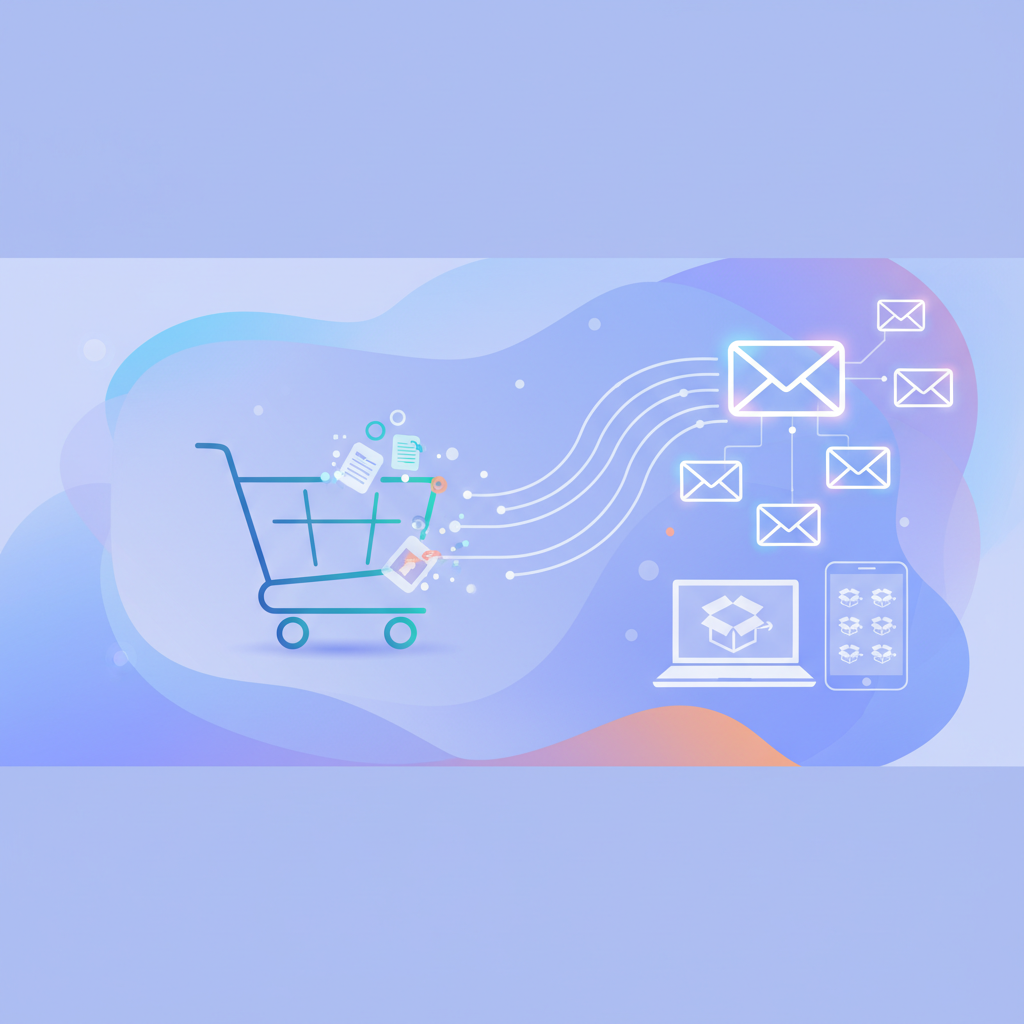
In the high-stakes arena of digital commerce, the gap between a "window shopper" and a converted customer is often a single, well-timed interaction. As a web design and development agency, OUNTI has spent over a decade dissecting the technical and psychological barriers that prevent users from completing their purchase journey. The most potent weapon in our arsenal isn't a flashier landing page or a faster checkout—it is the sophisticated implementation of abandoned cart email automation. This isn't just about sending a "you forgot something" reminder; it is about engineering a persistent, data-driven system that recaptures lost revenue without human intervention.
Current data from the Baymard Institute suggests that nearly 70% of online shopping carts are abandoned. For a business operating at scale, that represents a staggering amount of unrealized capital. At OUNTI, we view these abandonments not as failures, but as high-intent leads waiting for a specific technical nudge. When we develop a web design in El Campello, our primary focus is ensuring that the backend infrastructure supports real-time event tracking to fuel these automated workflows instantly.
Technical Integration: Moving Beyond the Basic Plugin
Most novice developers think abandoned cart email automation is as simple as toggling a switch in a Shopify or WooCommerce dashboard. However, true optimization requires a deep dive into event-driven architecture. To maximize recovery, your system must identify the user as early as possible—often before they even reach the final checkout step. This involves tracking "Add to Cart" events via AJAX calls and associating them with a persistent user ID or a cookie-based session that syncs with your Email Service Provider (ESP).
We implement specialized scripts that capture email addresses the moment they are typed into a field, even if the "Next" button is never clicked. This level of technical granularity allows for a much broader net. For businesses we serve in Águilas, we emphasize the importance of data synchronization speeds. If the email is sent three hours after the user leaves, the emotional impulse has cooled. If it is sent within 30 to 60 minutes, the conversion rate increases by nearly 25%.
The complexity increases when dealing with service-based industries. For instance, when building a página web para organizadores de bodas, the "cart" isn't a physical product but a date reservation or a service package. In these cases, the automation must account for availability windows and seasonal demand, making the email content dynamically shift based on how many slots are left for a specific weekend. This requires a robust API connection between the booking engine and the automation platform.
The Psychological Trifecta: Urgency, Social Proof, and Friction Removal
Once the technical plumbing is in place, the content of the abandoned cart email automation sequence must do the heavy lifting. We categorize effective recovery emails into three distinct phases. The first is the "Helpful Reminder." People get distracted; a phone call or a doorbell can end a shopping session. This email should be clean, featuring a high-quality image of the abandoned item and a direct link back to a pre-filled cart. Friction is the enemy of conversion; the user should never have to search for their items again.
The second phase focuses on Social Proof and Trust. This is particularly vital for high-ticket services. If we are developing a web para servicios de grúa, the user might be hesitating due to price or concerns about reliability during an emergency. The automated email at this stage shouldn't just offer a discount; it should showcase a testimonial or a "Verified Service" badge. It addresses the subconscious objection: "Is this company legitimate?"
Finally, there is the "Incentivized Urgency" phase. This is the last resort. We recommend offering a time-sensitive discount or free shipping, but only if the previous two emails failed. If you lead with a discount, you train your customers to abandon their carts intentionally to wait for a coupon code. By delaying the offer, you protect your profit margins while still capturing the most price-sensitive segment of your audience.
Dynamic Personalization and Segment-Specific Flows
The "one size fits all" approach to email marketing is dead. Advanced abandoned cart email automation leverages Liquid logic or similar templating languages to change the email body based on the cart's value. A customer who leaves $500 worth of equipment in their cart should receive a different sequence than someone who left a $10 accessory. High-value carts might even trigger a notification to a sales representative for a manual follow-up or a personalized video message.
Furthermore, segmentation based on customer history is crucial. A first-time visitor needs a brand introduction along with their cart reminder. A loyal VIP customer, however, should be treated with exclusivity—perhaps an automated message that says, "We’ve held these items for you because we know you love this collection." This level of detail transforms a robotic transaction into a brand-building experience.
At OUNTI, we also look at the device-specific behavior. Users abandoning on mobile often do so because the payment process was too cumbersome. Our automated emails for mobile users frequently include one-tap payment options like Apple Pay or Google Pay links, bypassing the need for them to find their physical credit card. This is a technical nuance that significantly boosts the efficacy of the automation flow.
Testing, Iteration, and the Long-Term ROI
An abandoned cart system is never "finished." It is a living component of your digital ecosystem. We advocate for rigorous A/B testing of subject lines, send times, and even the "From" field. Sometimes, an email coming from a specific person (e.g., "Sarah from OUNTI") performs significantly better than one from a generic "Customer Support" address. The goal is to humanize the automation.
We also analyze the "leakage" in the recovery flow. If users are clicking the email but still not completing the purchase, the problem isn't the email—it's the checkout UI/UX. Perhaps the shipping costs are only revealed at the very last second, or the site is too slow on mobile. By analyzing the data provided by abandoned cart email automation, we gain a diagnostic tool that tells us exactly where the website’s conversion architecture is failing.
In conclusion, recapturing the 70% of lost visitors is the fastest way to scale an eCommerce business without increasing your advertising spend. It is a matter of reclaiming what is already yours. By combining high-level technical integration with a deep understanding of consumer behavior, businesses can turn a "lost" cart into a loyal customer. Whether you are selling physical products or specialized services, the implementation of a professional recovery sequence is the hallmark of a mature, successful digital strategy.