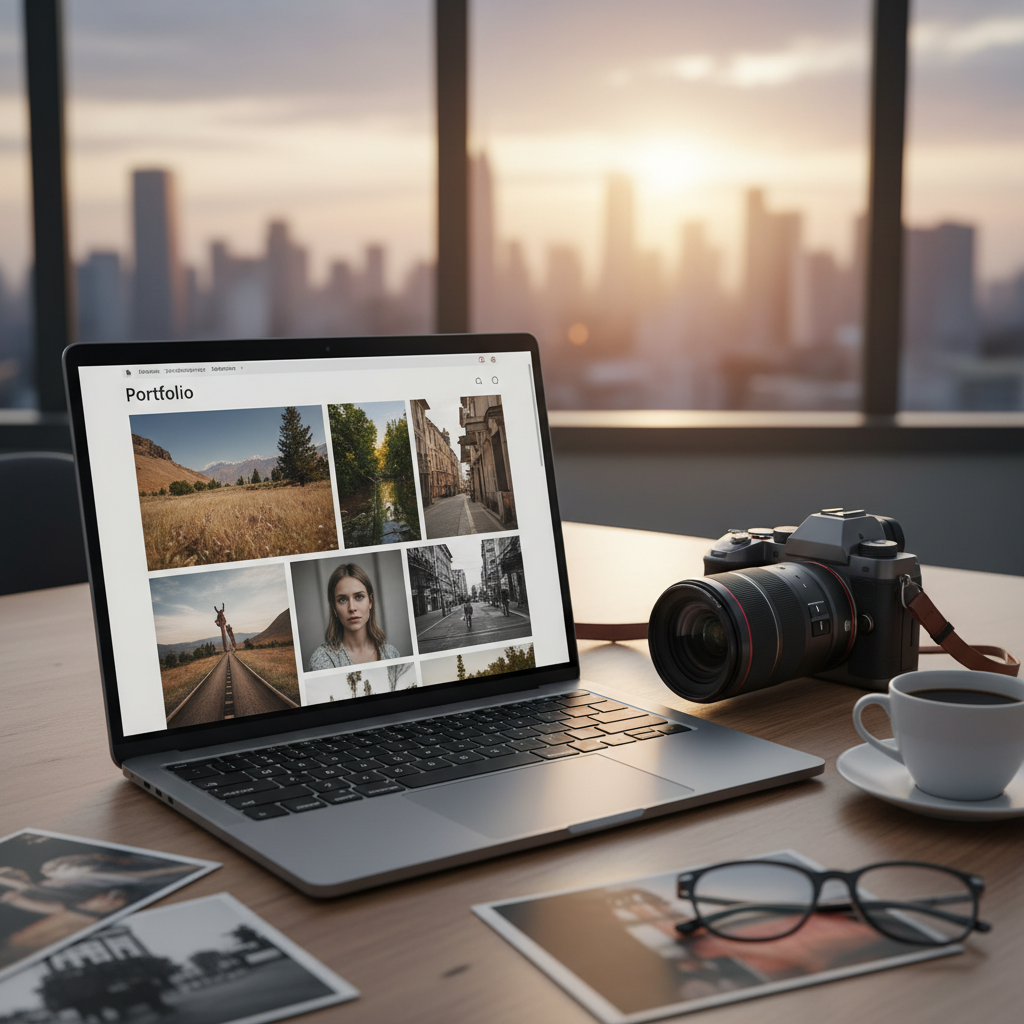
In over a decade of navigating the intersection of aesthetics and functionality, I have observed a recurring phenomenon: many exceptionally talented photographers struggle to bridge the gap between their physical craft and their digital presence. A portfolio is not merely a digital container; it is a curated experience that must reflect the artist’s soul while adhering to the rigorous technical standards of the modern web. When we discuss portfolio design for photographers, we are talking about a sophisticated balancing act between high-resolution visual storytelling and the ruthless efficiency required for search engine optimization and user retention.
The digital landscape has shifted from static galleries to immersive narratives. A decade ago, a simple lightbox was enough to impress. Today, a professional portfolio must act as a lead generation engine, a brand statement, and a flawless gallery all at once. The nuance lies in the details—how the white space breathes between images, the choice of typography that complements rather than competes with the photography, and the underlying code that ensures a 45MB RAW-to-JPEG conversion doesn't cripple the loading speed of a mobile device.
The Silent Dialogue Between Interface and Image
Every element of a website speaks. When the UI is too loud, the photography suffers. When the UI is too quiet, the user gets lost. Achieving the perfect portfolio design for photographers requires understanding the psychological flow of a visitor. Whether it is a wedding photographer looking to evoke emotion or a commercial architectural photographer showcasing precision, the interface must serve as a silent guide. We often implement "minimalist friction," where the navigation is intuitive but secondary to the visual content.
In our experience working with diverse clients, we have found that regional context often dictates visual preferences. For instance, when developing digital strategies for creative professionals, we have seen how localized aesthetics play a role, much like the work we do for clients seeking web design in Benalmádena, where the light and coastal vibe often influence the color palettes of local portfolios. The goal is to create a digital home that feels authentic to the artist’s location and style while maintaining global technical standards.
Technical precision in image rendering is non-negotiable. We utilize advanced techniques such as lazy loading and Next-Gen formats like WebP or AVIF to ensure that high-quality imagery does not translate to high bounce rates. A photographer’s site must be fast; if the "Hero" image takes more than two seconds to render, the potential client has already moved on to the next tab. This is the reality of the attention economy.
Performance Engineering for Visual Heavyweights
The biggest challenge in portfolio design for photographers is the "Resolution Paradox." Photographers want their work to be seen in the highest possible quality, but browsers and mobile networks punish large file sizes. Overcoming this requires a deep dive into the backend architecture. At OUNTI, we focus on dynamic scaling, where the server delivers different image sizes based on the user's viewport. It is a complex layer of engineering that remains invisible to the user but is vital for SEO ranking.
Visual storytelling isn't limited to traditional photography; it extends to other highly visual industries that share similar digital DNA. For example, the visual intensity and contrast management required in Diseño web para salones de tatuajes often mirror the needs of a high-fashion photographer's portfolio. Both require a dark-mode optimized environment where the colors and fine lines of the art are the primary focus. Understanding these cross-industry visual requirements allows us to build more robust and versatile platforms for our clients.
Furthermore, the structure of the site must support the photographer’s business goals. Is the site meant to book high-end weddings, or is it a platform for selling fine art prints? The latter requires a seamless e-commerce integration. Building a secure and efficient sales funnel for an artist is quite similar to the logistical complexity of developing a Tienda online de productos para mascotas, where user trust and a frictionless checkout process are paramount to converting a visitor into a customer.
SEO and the Metadata of Art
A beautiful portfolio that no one finds is a digital tragedy. Search engines cannot "see" the beauty of a sunset or the raw emotion of a portrait; they read data. Therefore, portfolio design for photographers must include a rigorous SEO strategy tailored for visual content. This includes optimizing Alt-text with descriptive, keyword-rich language, utilizing schema markup to tell Google that the site belongs to a professional photographer, and ensuring that the site's architecture is crawlable.
Content clusters are also essential. Instead of just a gallery, a photographer should have a blog or a "Stories" section. This allows for the use of long-form content that targets specific niches or geographical locations. We have found that tailoring content for specific creative hubs, such as providing bespoke solutions for artists in Sant Pere de Ribes, helps in building local authority while maintaining a broad professional reach. It is about being a big fish in a local pond while keeping an eye on the ocean.
According to industry authorities like LensCulture, the way a series of images is presented can significantly alter its perceived value. This applies to the web as much as it does to a physical gallery. The sequencing of images, the transitions between projects, and the narrative flow are all part of the digital curation process. As designers, our job is to provide the canvas that makes the art more valuable.
The Future of Visual Portfolios: Interaction and AI
Looking ahead, the next frontier in portfolio design for photographers involves interactive storytelling and AI-driven personalization. Imagine a portfolio that learns which style of photography a visitor prefers based on their initial clicks and reorganizes the homepage to show more of that specific work. While we are in the early stages of this technology, the foundation remains the same: high-quality code and a deep respect for the image.
Accessibility is another pillar that cannot be ignored. A truly professional portfolio is accessible to everyone, including those using screen readers. This means your "invisible" design—the code—must be as clean and professional as your visible design. Using proper header structures, aria-labels, and high-contrast ratios is not just a legal or ethical requirement; it’s a sign of a high-quality, professional site that search engines reward.
In conclusion, the evolution of portfolio design for photographers has moved from the aesthetic to the functional-aesthetic. It is no longer enough to have a "pretty" site. You need a fast, secure, SEO-optimized, and mobile-responsive machine that serves your art. After a decade in this industry, our philosophy at OUNTI remains unchanged: we build the technology so you can focus on the vision. Your portfolio should be as timeless as the photographs it contains, serving as a lasting testament to your professional journey and artistic growth.